.svg)



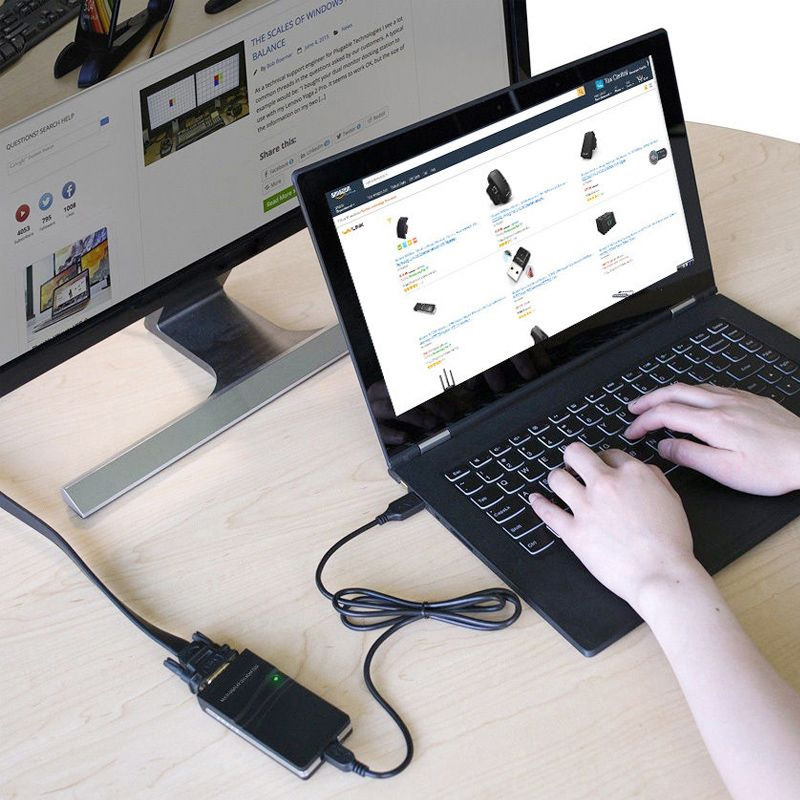
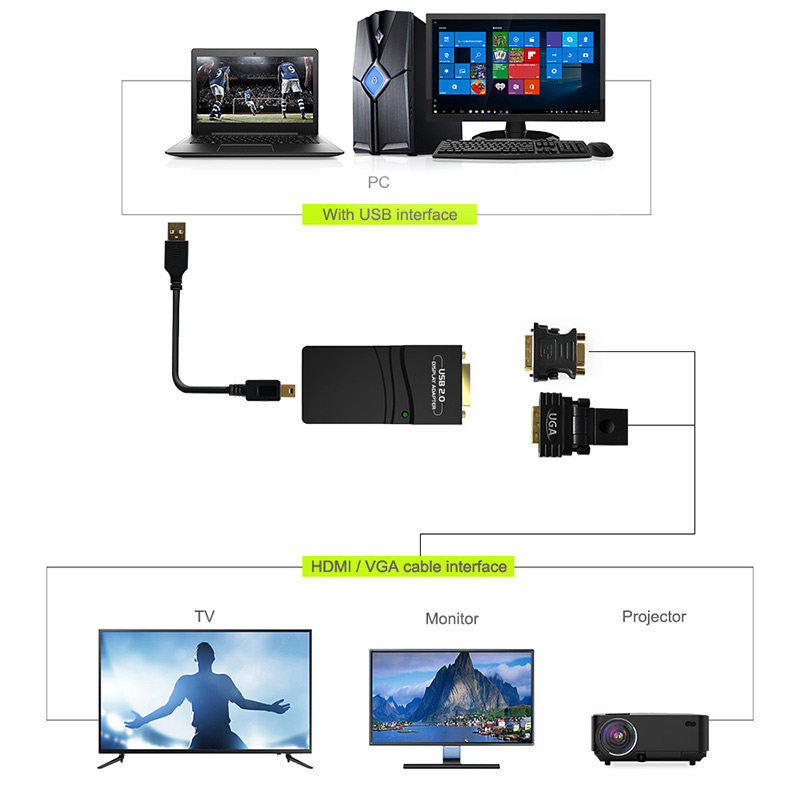
The adapter for multiple displays with mode extend. Just grab and go, the perfect travel companion and essential accessory for your trip around the world. Plug and play, maximum convenience.
WS-UG17D1
Control of production, cleanliness of products, installation activities, servicing, and validation of software used in production. Clause 8: Measurement, Analysis, and Improvement
Resolve any nonconformities raised during the audit before the certificate can be issued. 4. Mandatory Documents and Records Checklist
Even component suppliers may need to comply with specific clauses (e.g., 7.4 Purchasing).
This public link is valid for 7 days and shares a thread, including any personal information you added. This link or copies made by others cannot be deleted. If you share with third parties, their policies apply. Can’t copy the link right now. Try again later.
With the guide in hand, Emily began to assess the company's current QMS against the requirements of the standard. She identified gaps and areas for improvement, and developed a plan to address them. This included updating procedures, training employees, and implementing new controls to ensure compliance.
Implementing ISO 13485:2016 is a challenging but vital step for any medical device manufacturer. It provides a robust framework that ensures regulatory compliance and, more importantly, patient safety. By following a structured approach, focusing on risk management, and ensuring management commitment, organizations can achieve certification and demonstrate their commitment to quality.
: It is roughly 220 pages long and follows the structure of the standard's clauses to provide specific guidance for each. Core Requirements of ISO 13485:2016
, is a copyright-protected publication available for purchase through the ISO Store . This 221-page guide was authored by technical experts from ISO/TC 210 to help organizations develop, implement, and maintain a Quality Management System (QMS) that complies with the standard .
Regular internal audits must be conducted to determine whether the QMS conforms to planned arrangements and the requirements of the standard.
Integrate risk management (ISO 14971) into all aspects of the QMS, specifically in product design, purchasing, and production.
Regulatory requirements, user needs, and performance characteristics.