Nulled Upd Verified - Mobilekit Bootstrap 5 Based Html Template |


|
|
Nulled Upd Verified - Mobilekit Bootstrap 5 Based Html TemplateNulled Upd Verified - Mobilekit Bootstrap 5 Based Html TemplateHow to create a new label design for Automation using Avery Design Pro 5.0 Follow the steps below to create a new label to be used with Automation Suite using Avery Design Pro 5.0. Before you begin, make a new folder anywhere on your hard drive and name it anything you like. (e.g Template) (I put my new folder on the desktop) Using your windows explorer, go to C:\Router-CIM\Automation\Bin and copy the file called Label.dbf into the folder that you just created. While your there, make a copy of the original RouterCIM.zpd file that is in that folder also. Open Avery Design Pro.
At the Start Screen for Avery Design Pro, click ‘Design from Scratch’.
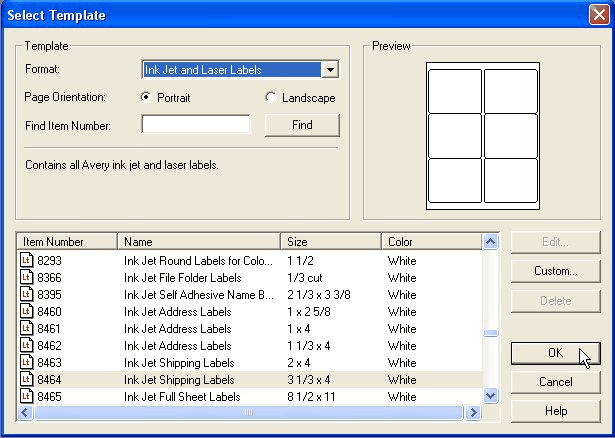
At the Select Template screen, choose the label you would like to use and click ‘OK’.
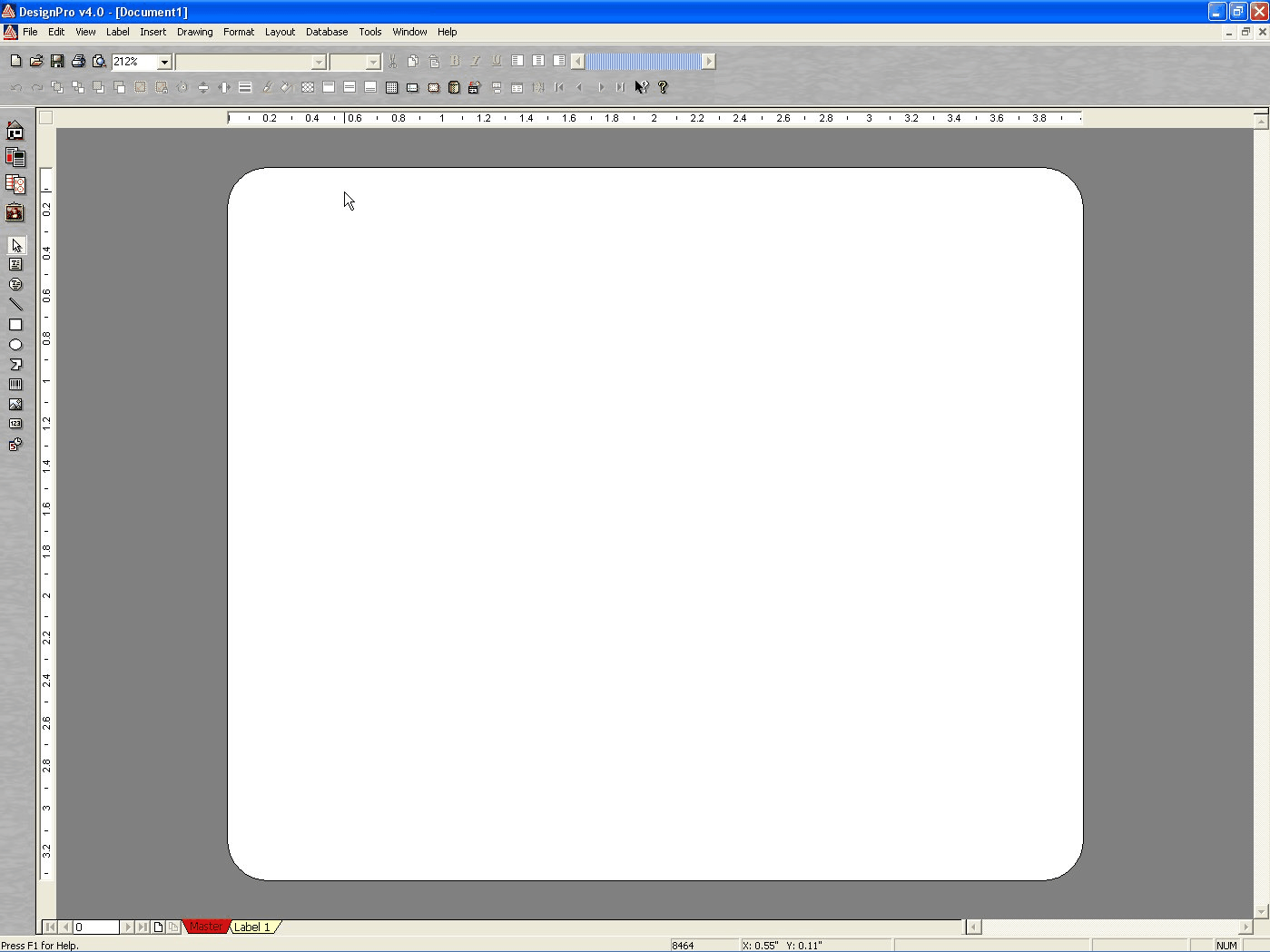
This screen shows actual label that you chose in the previous step.
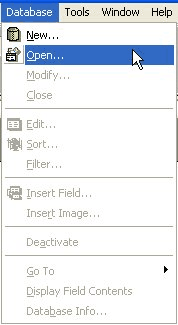
From the Database pull down menu, choose Open…
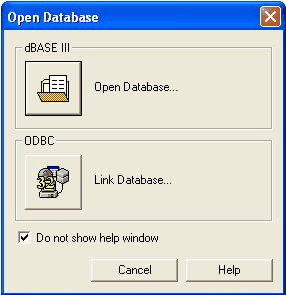
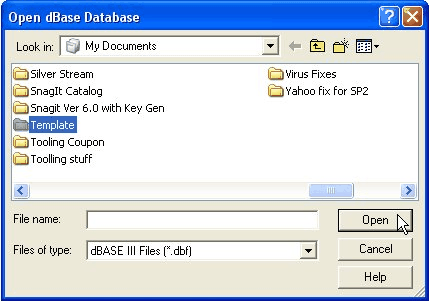
Click on the 'Open Database' icon. At this screen, go to the folder that you created at the very beginning that has the label.dbf
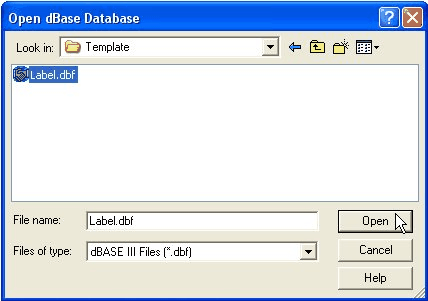
After opening the Template folder (or whatever you called it), select the label.dbf and click ‘Open’.
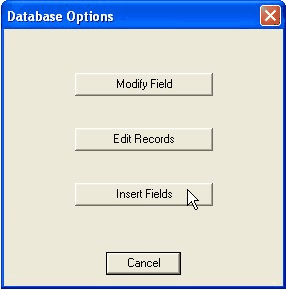
At the next screen, select ‘Insert Fields’.
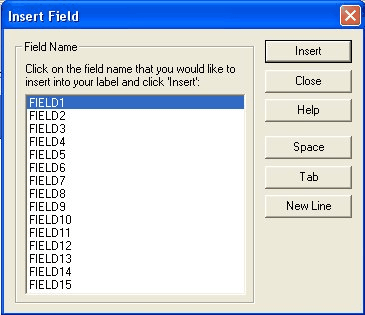
This will open the Insert Fields box.
The next few images will show Field descriptions.
Nulled Upd Verified - Mobilekit Bootstrap 5 Based Html TemplateMobilekit is a premium HTML template built using Bootstrap 5, a popular front-end framework. It's designed to be a versatile and customizable template for creating mobile-related websites, such as mobile app landing pages, mobile game websites, or mobile service providers. : Developers can easily modify the design using Sass files , which are included in the package for professional styling. The "upd" in your search query highlights the need for the latest version. Nulled sites rarely keep their files up to date. Are you looking for a robust and feature-rich HTML template to kickstart your next web project? Look no further than MobileKit, a Bootstrap 5-based template that's packed with everything you need to create a stunning website. mobilekit bootstrap 5 based html template nulled upd Mobilekit comes with a plethora of features that make it an ideal choice for web developers. Some of its key features include: While searching for a "nulled" (pirated) version of Mobilekit might seem like a cost-saving measure, experts from platforms like TeamUpdraft and SmartSlider3 warn of severe risks: 12 Best Progressive Web App (PWA) Templates 2021-2022 Searching for "Mobilekit Bootstrap 5 based HTML template nulled upd" might seem like a quick shortcut to save on development costs. However, the hidden costs of malware infections, data leaks, ruined SEO, and broken code far outweigh the price of a legal license. Secure your users, your reputation, and your peace of mind by sourcing your development tools legally. To help you get your project started safely, tell me: Mobilekit is a premium HTML template built using The pricing of Mobilekit varies depending on the license type, usage, and support. Generally, you can expect to pay between $20 to $100 for a single license. Using a nulled version of MobileKit is not a victimless act. It exposes you and your website to significant security, legal, and ethical risks. Built on the newest CSS utilities without the dependency on jQuery, ensuring faster load times. The "upd" in your search query highlights the : Features an easy-to-use toggle for switching between dark and light themes instantly. Mobilekit relies heavily on service workers and manifest files to achieve its native app performance. Pirated versions often break these complex JavaScript configurations during the "nulling" process, leaving you with broken navigation, failing offline modes, and glitchy user interfaces. 4. Legal and Compliance Liabilities UI Bootstrap Mobile HTML Mobile Website Templates - ThemeForest
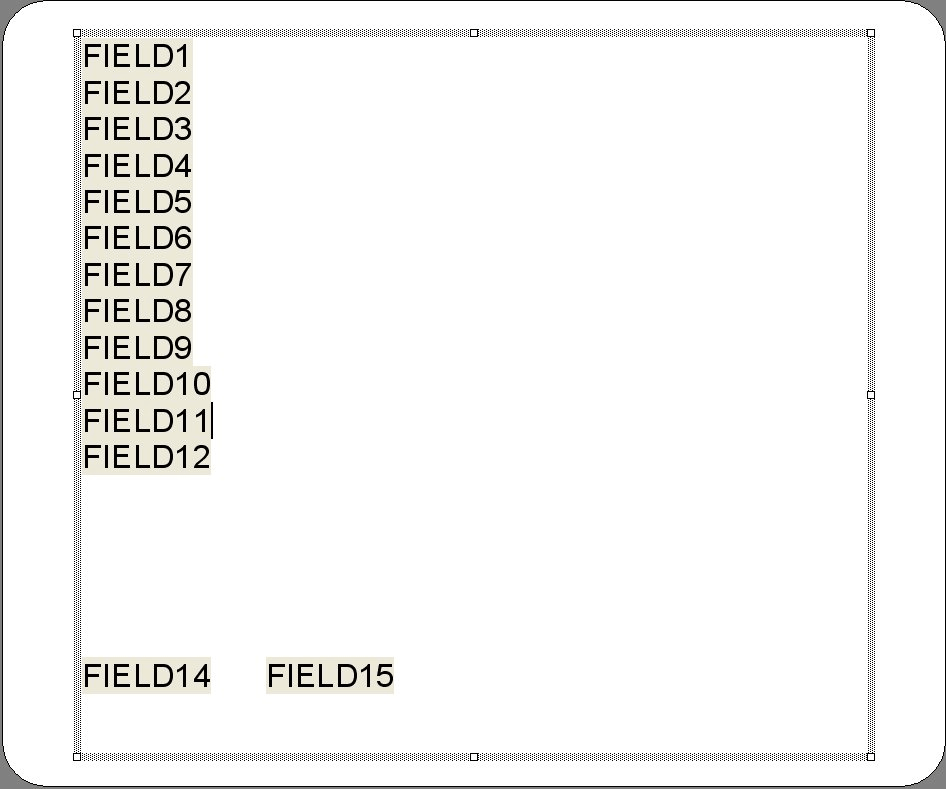
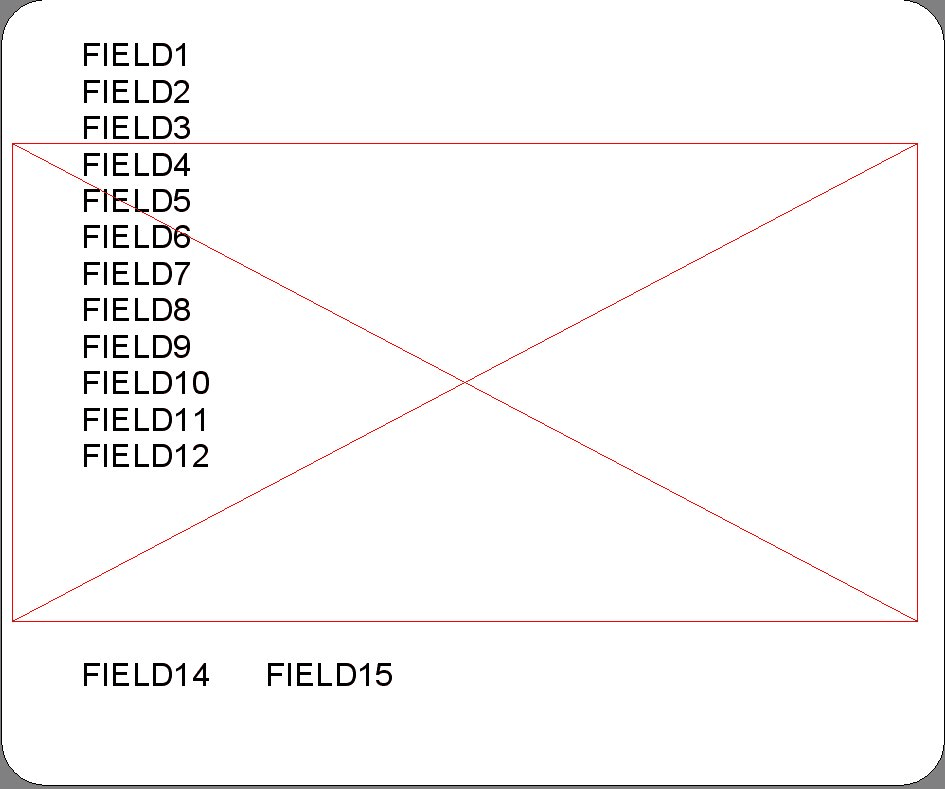
Using the Insert, Space, and New Line buttons, you can make the layout for you’re your new labels. Because of the size of this label, I was able to fit all of the fields on this label. Remember, the size of the label you choose dictates how much information (or how many fields) you can actually place on the label.
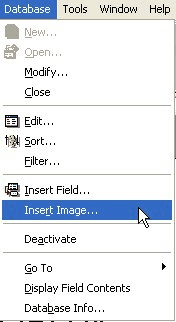
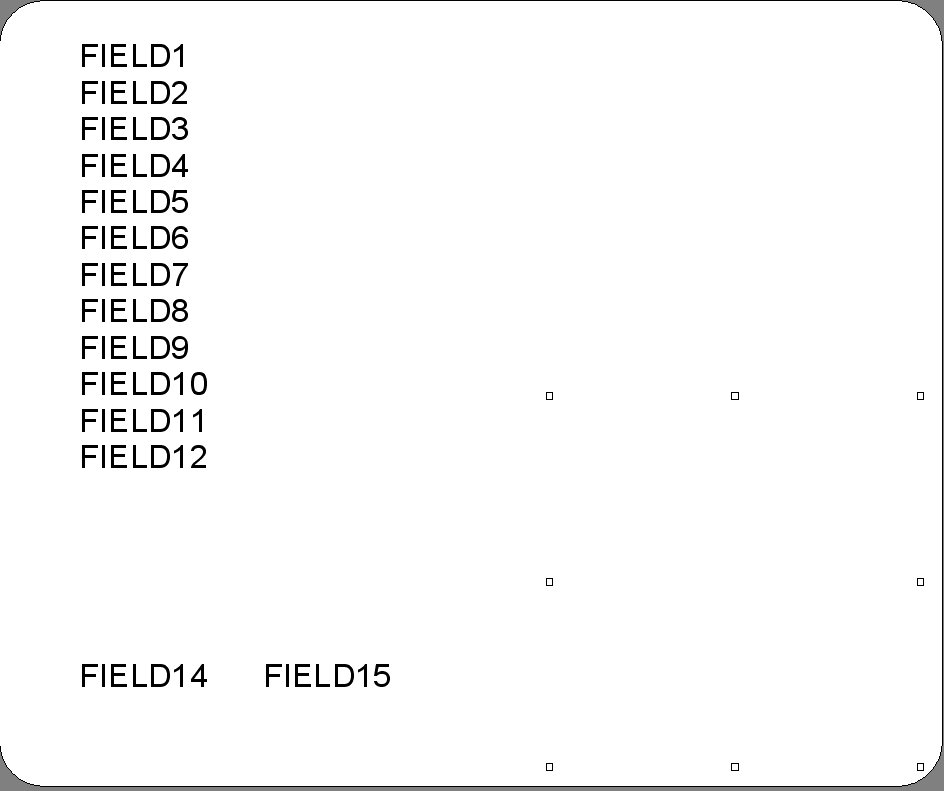
Notice the placement of fields 14 and 15. This will be important because placing it at the bottom of the label; these fields will be at the bottom of the Bar Code. Also notice that Field 13 is not on the label above. This is explained next… Field 13 is the graphic that can show the picture of your part on the label. To place a graphic on the label, from the Database pull down menu, choose ‘Insert Image’
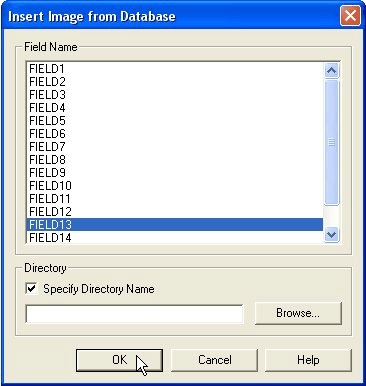
Choose Field 13 and click 'OK'.
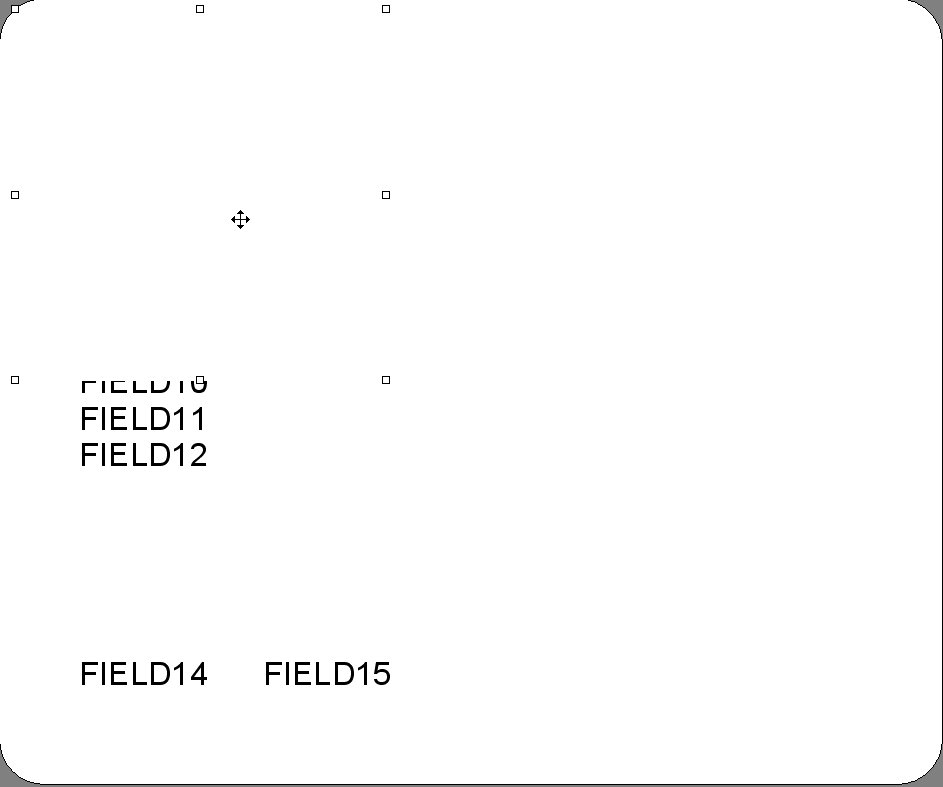
By default, the graphic is placed in the upper left corner of the label.
By grabbing and dragging, place the graphic box in the location you would like your graphic it be placed. For this example, I have placed the graphic in the lower right corner.
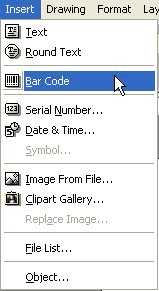
Field 15 is used to place a Bar Code graphic on the label. First, from the Insert pull down menu, choose ‘Bar Code’.
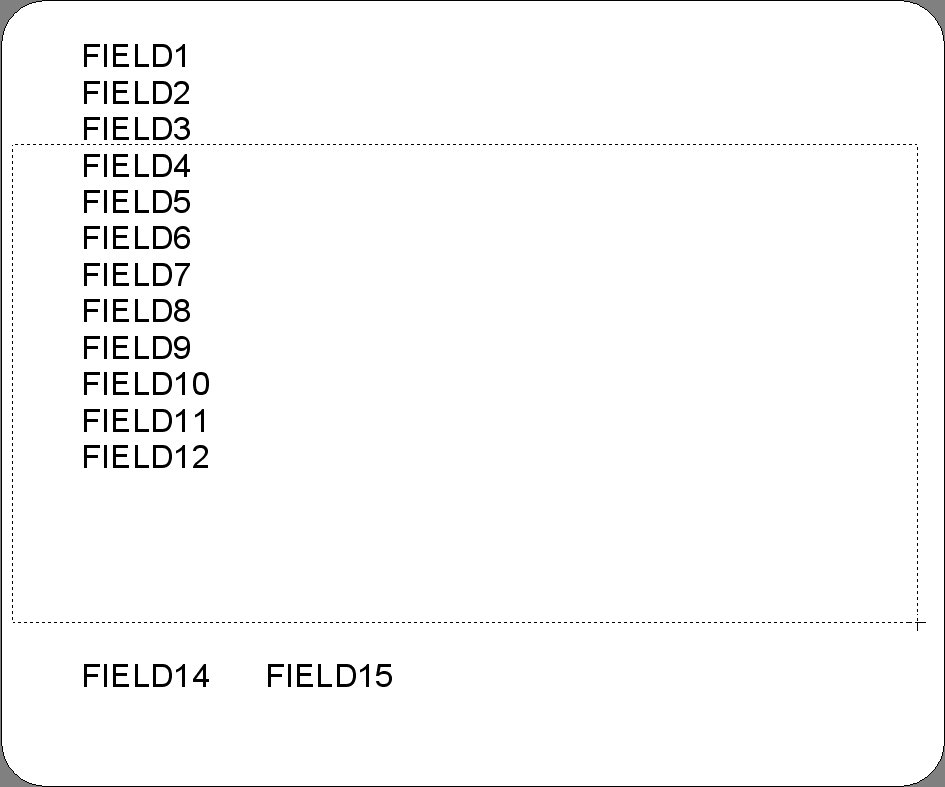
Your cursor will now change, drag from the upper left to the lower right to create a box.
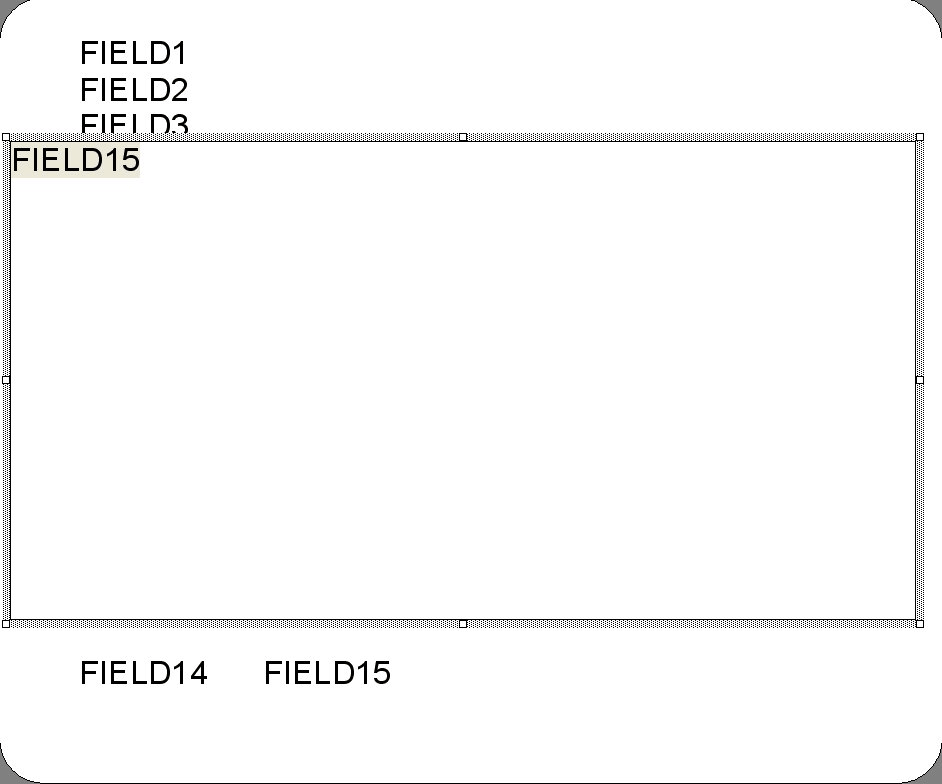
After the box is created, from the Database pull down menu, choose ‘Insert Fields’ and click on Field15 and click ‘Insert'.
When finished, your label should look like this.
NOTE: To prevent the bar code from becoming larger than the label and to have the name of the bar code shown, follow these steps: Highlight the bar code image and right-click on the dotted edge. Select 'Format Bar Code...' for the list.
This will open the Format Bar Code dialog box:
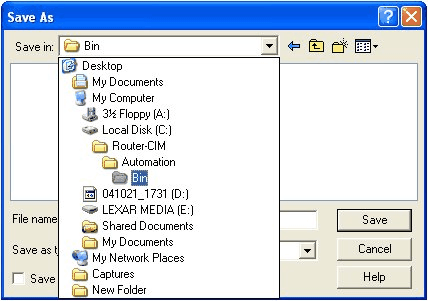
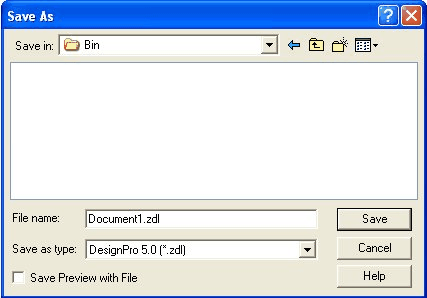
You want to make sure that 'Display Plaintext' and 'Adjust Size' are selected. Now it’s time to save your label. Choose 'Save’ or 'Save As’ from the file pull down menu. The Save in: should be set to C:\Router-CIM\Automation\Bin.
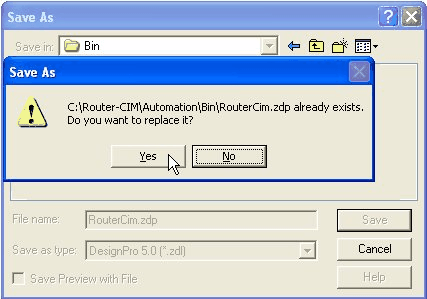
PLEASE NOTE THE FILE NAME: The only choice you have is to save it as a .zdl type at this point. In the File name: type in RouterCIM.zdp and click 'Save'. You should be asked if you would like to overwrite the file. Answer ‘Yes’
Copy the label.dbf file from the Template folder created in the beginning of the tutorial to the C:\Router-Cim\Automation\Bin folder and choose 'Yes' to overwrite the existing file. Then delete the copy of the label.dbf file in the Template folder you created. You are finished….run a job through Automation. When the job if finished and you open the Data Folder, you will see a RouterCIM.zpd file. Double-click on it. You will probably have to set the path for windows to open this type of file. The application to use would be the Labeler.exe found in C:\Program Files\Avery Dennison\DesignPro 5.0 Limited Edition folder. |