
FireAlpaca | Free Digital Painting Software
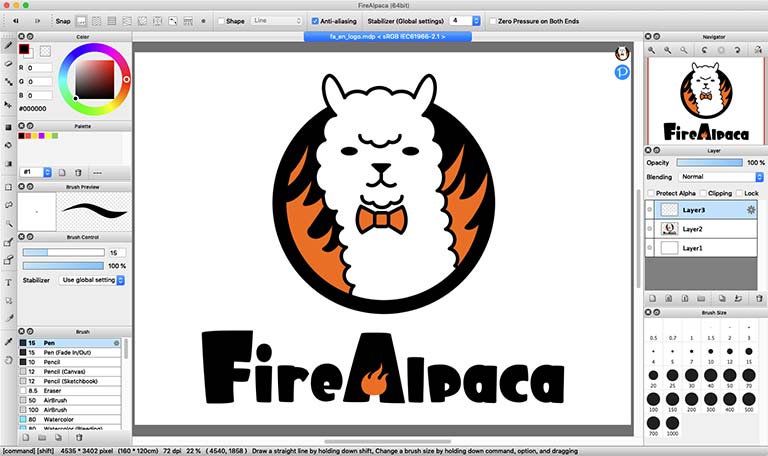
FireAlpaca is the free Digital Painting Software that is available in 10 languages and compatible with both Mac and Windows. Simple tools and controls let you draw an illustration easily.
Traditional commercials and high-budget videos can sometimes feel sterile and manufactured. Mobile videos, by contrast, feel intimate, raw, and authentic. When a creator holds a phone to their face, viewers feel like they are FaceTiming a friend rather than watching an advertisement. This psychological connection drives massive engagement, shares, and comments. 2. High Narrative Density
Mobile filmmaking is no longer about "making do" with a phone. It is about leveraging unique advantages. Capture shots in tight spaces. Speed: Shoot, edit, and post in minutes. Intimacy: Subjects feel less intimidated by phones. Accessibility: High-end gear is no longer required. 🎥 Essential Gear for Mobile Creators
Compact wireless mic systems offer freedom of movement while maintaining crisp audio. sex video mobile 3gp
Auto-captions are no longer an accessibility feature; they are a design element. Popular videos place dynamic, bold captions that bounce or change color with the beat of the music. These captions anchor the eye to the center of the vertical frame.
For a century, cinema was strictly horizontal. Mobile filmography turned the camera 90 degrees. Platforms like TikTok, Instagram Reels, and YouTube Shorts have made vertical video the most consumed format on Earth. Crafting a popular video today requires understanding how to compose striking visual frames within a narrow, vertical space. Future Horizons: What Lies Ahead It is about leveraging unique advantages
Mobile audiences prefer fast-paced content. Popular videos use quick cuts, jump cuts, and seamless transitions to maintain momentum. Visual effects, text overlays, and automated captions are integrated directly into the edit to keep the viewer visually engaged. 4. Authenticity Over Perfection
Viewers will tolerate a slightly blurry image. They will not tolerate bad audio. Popular videos rely on clarity of voice. A simple USB-C or Lightning lavalier microphone (like the Rode SmartLav+) costs under $70 and improves retention rates by over 50%. These aren't mistakes
The rise of mobile filmography is deeply rooted in rapid technological advancements. Modern smartphones are no longer just "phones with cameras"; they are advanced imaging computers.
: Using gridlines helps place subjects at intersection points for a more balanced image. Orientation
This is where "popular videos" have evolved into a new visual language. The static, tripod-shot vlog is dying. In its place is a hyper-kinetic, first-person aesthetic: whip pans, low-angle walks, macro close-ups of pouring coffee, and silky slow-motion of raindrops on glass. These aren't mistakes; they are intentional signatures. The "vertical cinematic" shot—once a sin in film school—is now a genre unto itself, optimized for thumbs scrolling in subway cars.
FireAlpaca is the free Digital Painting Software that is available in 10 languages and compatible with both Mac and Windows. Simple tools and controls let you draw an illustration easily.