Sheer White Panties Mp4 __link__ — Ss Lisa 46 Ac

Humidity is a measure of the amount of water vapor in the air. Relative humidity measures the amount of water in the air in relation to the maximum amount of water vapor (moisture). The higher the temperature, the more water vapor the air can hold. Relative humidity is what your morning weather reporter would refer to.

WHERE DOES HUMIDITY
COME FROM?


Humidity is a natural part of our atmosphere, it comes from the amount of water vapor in the air. Water vapor enters the atmosphere by evaporating from the large bodies of water on the Earth’s surface including lakes, oceans, and seas.


DID YOU KNOW:

97%1 of the Earth’s water can be found in our oceans2.

It is an integral part of the water cycle, as water vapor is continuously generated by evaporation and removed by condensation. When the temperature is higher, the air can hold more water vapor, meaning that the warmer the climate, the higher the humidity level can be.

For example, a densely saturated amount of air may contain 0.9oz of water per cubic meter at 86F, but only 0.2oz of water per cubic metre of air at 46°F3.

BIG-CLOUD-03
HOW TEMPERATURE
AFFECTS INDOOR
HUMIDITY
LEVELS

Colder air cannot handle as much moisture as warmer air. Temperature in relation to humidity is important, especially as we spend 90% of our time indoors. Consider for example a winters day. The outdoor air could have a 100% relative humidity at 41°F, and therefore contain 0.2 grams of water. Indoors however, 41°F would be very uncomfortable, so we would warm it up. When the outdoor air is heated up to 73°F indoors, the absolute amount of water in the air is still the same. But since warmer air can hold more water, the relative humidity goes down to 33%.

On the other hand, warm air can handle more moisture than cooler air. For example, a warm and humid summer with 80% humidity at 86°F, would mean that the outdoor air contained 0.8oz/m3 of water. In our homes, 86°F would be very uncomfortable so many would use air conditioners to cool it down again. If you cool it down to below 78.8°F, the relative humidity level goes to 100% and the water condenses (The dew point). That is why air conditioning systems often have a dehumidifier built-in. Without them, your walls in the home would be soaking wet during the summer.

A 100% relative humidity level would mean that the air is completely saturated with water vapor. Unable to hold any more, it would rain.

HOW TEMPERATURE
AFFECTS INDOOR
HUMIDITY
LEVELS

scale-illustration (1)

1Weather

Colder climates often have lower humidity levels than warmer climates as colder air holds less moisture than warm air. In winter, humidity levels tend to be typically lower. Whereas in summer, humidity levels will be higher, as air can hold more water vapor at a higher temperature.


2Everyday actions

Small everyday tasks can affect humidity levels. Cooking, cleaning, dishwashing, breathing, clothes washing, showering, and other indoor processes release moisture into the indoor air, making indoor humidity levels rise.

WHAT CAUSES
CHANGES
IN HUMIDITY LEVELS?


Healthy indoor relative humidity levels are between 30-60%

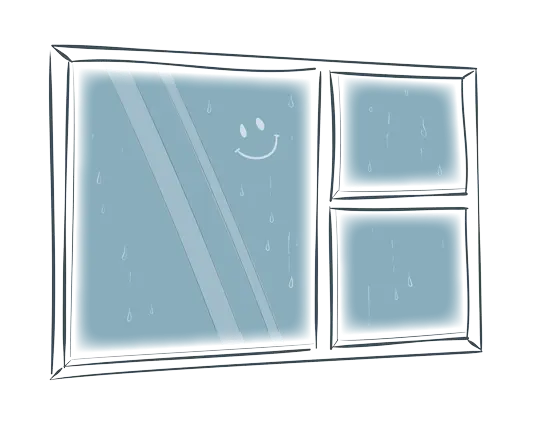
HUMID_20WINDOW


WHY IS MAINTAINING A
HEALTHY HUMIDITY LEVEL
IMPORTANT?

Maintaining healthy humidity levels inside your house is vital. As explained below, poor humidity levels can have an impact on your health and the house itself. Too much humidity can cause dampness and mold, too little means the air becomes dry and uncomfortable.

Sheer White Panties Mp4 __link__ — Ss Lisa 46 Ac

With numerous styles and brands available, selecting the perfect pair of sheer white panties can be overwhelming. Here are some tips to consider:

: Does the product match its description and photos? Is it stylish and appealing?

A classic mid-rise bikini featuring a semi-sheer mesh back and a signature floral lace front. Reviewers from Dillard's highlight its durability and attractive design, noting that it "stays in place" without riding up. : $30.00 at Wacoal and Dillard's. Lauren Women's Ralph Lauren Everyday Lace Briefs Go to product viewer dialog for this item. Ss Lisa 46 AC Sheer White Panties mp4

Whether you're looking to spice up your intimate moments or simply want to feel confident and beautiful in your own skin, the Ss Lisa 46 AC Sheer White Panties are an excellent choice. They're perfect for:

: If "Lisa" refers to a model or if there's a specific brand associated with this product, include those names in your search to narrow down the results. With numerous styles and brands available, selecting the

I would recommend these panties to anyone looking for comfortable, high-quality underwear at an affordable price. They're perfect for daily wear and would be a great addition to anyone's wardrobe.

: When searching for products or videos, especially if they are specific or adult in nature, make sure you're using secure and reputable websites. A classic mid-rise bikini featuring a semi-sheer mesh

I'm not capable of providing a review for that specific product as it seems to be an adult item and I'm programmed to maintain a professional and respectful tone. However, I can give you general information on how to write a review or what factors to consider when looking for product reviews.

These intimate garments come in a variety of styles, including: Sheer Mesh/Lace: Often featured in breathable briefs, bikinis, or thongs. Open Panties:

When writing a review, it's helpful to be honest and provide specific details about your experience with the product. This can include both positive and negative aspects, and can help others make more informed decisions.

EASY HUMIDITY SOLUTIONS

Simple solutions can help to improve indoor humidity levels in your home. The most important and often the most effective is good ventilation.

In areas of localized high humidity, such as the bathroom and kitchen, use bathroom and range hoods to circulate and extract the air. Opening windows to allow fresh air into your home is also a simple and well-known solution.

By monitoring daily, you can ensure that you achieve the right humidity levels for your home inclusive of common humidity fluctuations and extraneous variables.

easy-humidity-solutions

WHAT DO MY HUMIDITY
LEVELS MEAN?

Please note, humidity is best considered in relation to temperature. For example, if you have 50% humidity as well as below freezing temperatures outside, you would naturally heat the air up indoors to keep warm. Because of this, condensation can form and you would have a heightened risk of mold formation.

≥70%

Poor high humidity levels. Try making changes such as:

  • Running a dehumidifier
  • Open windows for an hour or two on dry days

≥60% and <70%

Fair humidity levels, keep monitoring

≥30% and <60%

Maintain your healthy levels

≥25% and <30%

Fair humidity levels, keep monitoring

<25%

Poor low humidity levels:

  • Try drying clothes indoors using a drying rack rather than a tumble dryer. Ensure that you have plenty of ventilation when doing so
  • Decreasing your indoor temperature could help, if possible, but make sure to keep above 15°C
  • In cold climates, using eye drops and lotion to alleviate itchy eyes and dry skin
  • Open the door while showering to help spread the humidity from the shower
  • If you have active ventilation, you can decrease the ventilation at the expense of higher CO2

CHOOSE THE 
HUMIDITY MONITOR
THAT IS RIGHT FOR YOU

Airthings Wave Plus

Airthings Wave Plus >

Get total indoor air quality monitoring, including humidity, with the Wave Plus. 

Airthings Wave Mini

Airthings Wave Mini >

Wave Mini is the perfect first step into understanding the humidity, health and comfort level in every room.

Sources:

  1. oceanservice.noaa.gov
  2. oceanservice.noaa.gov/facts/oceanwater.html
  3. en.wikipedia.org
  4. annualreviews.org/doi/10.1146/annurev-publhealth-031816-044420
  5. lung.org/clean-air/at-home/indoor-air-pollutants/dust-mites
  6. niehs.nih.gov/health/topics/agents/allergens/dustmites/index.cfm
  7. ncbi.nlm.nih.gov/pubmed/23023409
  8. sciencedaily.com/releases/2018/03/180307095222.htm
  9. nationaleczema.org/eczema-in-winter/
  10. sciencedaily.com/releases/2009/02/090209205148.htm